Spring special: 15% off sessions

Your Body Was Built to Adapt — At Any Age we can hit the gym
Beastmode Trainers is built for driven individuals over 40 who want to maintain strength, performance, and longevity through structured, sustainable training systems that deliver real results. Come join me at the GYM virtual or in person - Muskoka Canada
4/13/20264 min read
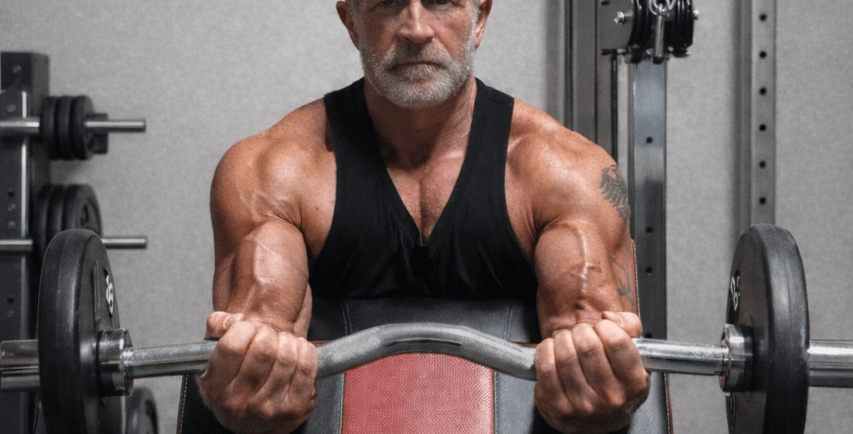
Understanding Your Body’s Adaptive Potential
The human body possesses an extraordinary capability to adapt to various physical stressors, irrespective of age. This fundamental principle of physiological adaptation is the cornerstone of fitness and rehabilitation, and it highlights the resilience inherent in our biological systems. When engaging in resistance training, for instance, muscles experience microtears that, during recovery, lead to hypertrophy—where muscle fibers grow larger and stronger. This biological response ensures that as we apply increasing loads over time, our muscles continually adapt, enhancing their capacity to perform various physical tasks.
Moreover, cardiovascular activities such as running, swimming, or cycling significantly contribute to improving heart function. Regular aerobic exercise challenges the cardiovascular system, prompting adaptations that increase cardiac efficiency, enhance blood flow, and optimize oxygen delivery to muscles. These changes manifest as an improved ability to sustain physical activity, ultimately benefiting individuals of all ages. There is a common misconception that these adaptations slow or stop with age; however, research consistently shows that older adults can still achieve significant improvements in their cardiovascular fitness, further emphasizing the body's remarkable capacity for change.
Nutrition also plays a crucial role in supporting the adaptive processes of the body. Adequate intake of macronutrients, particularly proteins, aids in muscle repair and growth, while micronutrients facilitate optimal physiological functions that underlie adaptation. Ensuring a balanced diet tailored to individual needs is essential for maximizing adaptive potential. Thus, whether young or older, individuals can enhance their physical capabilities and overall health through appropriate exercise and nutrition strategies.
The Transformative Power of Consistent Exercise
Engaging in consistent exercise plays a crucial role in enhancing health and overall well-being, irrespective of when one begins this journey. Notably, individuals who start exercising later in life frequently experience significant improvements in multiple aspects of their health. These include increased strength, enhanced mobility, improved energy levels, and better mental health. Research has shown that even a modest amount of physical activity can lead to substantial gains.
For instance, a study published in the *Journal of Aging and Physical Activity* highlighted the remarkable benefits that older adults experienced after just six months of a structured exercise program. Participants reported enhanced balance, increased functional strength, and decreased feelings of depression and anxiety. This evidence underscores the idea that the body is remarkably adaptable and that improvements can be seen even after years of inactivity.
Real-life examples abound to illustrate these transformative effects. One such case is an 82-year-old woman who began a routine that included walking and strength training after her husband passed away. Within months, she not only regained her strength but also cultivated a stronger sense of community through group classes. Her enhanced mobility allowed her to participate in family activities she previously thought were unattainable.
Moreover, consistent exercise has been linked to better cognitive function in older adults. A study from the *Alzheimer's Association* found that regular physical activity significantly lowered the risk of cognitive decline. This correlation emphasizes how exercise is not solely about physical improvements, but also critically impacts mental health.
Overall, the data reconfirms that consistency is key. The sooner one adopts a routine, the quicker the body begins to adapt and improve. The benefits of consistent exercise are clear and extend well into the later stages of life, serving as an inspiration for individuals of all ages to prioritize their health.
Nutrition and Recovery: Fueling Your Body's Transformation
Nutrition plays a critical role in enhancing the body's ability to adapt and recover, particularly as individuals age. As we grow older, our bodies require a suitable balance of essential nutrients to support muscle repair, recovery, and overall health. By focusing on a well-rounded diet, older adults can optimize their nutritional intake, which contributes significantly to their physical resilience and longevity.
One of the key nutrients for muscle recovery is protein. Adequate protein consumption aids in the repair of muscle fibers that undergo stress during physical activities, including exercise. Sources such as lean meats, dairy products, legumes, and nuts provide the necessary amino acids that support muscle maintenance and growth. Additionally, incorporating an array of vitamins and minerals, such as vitamins C and D, calcium, and magnesium, is crucial, as these contribute to muscle function, bone health, and immune system support.
Beyond macronutrients, hydration also plays a vital role in recovery. Proper hydration aids in the transportation of nutrients to cells, helps regulate body temperature, and promotes joint lubrication. Older adults should strive to maintain adequate fluid intake, which may include water, herbal teas, and hydrating foods like fruits and vegetables. Dehydration can hinder physical performance and complicate recovery, making it essential to monitor and address fluid needs regularly.
In addition to specific dietary components, adopting a balanced diet rich in whole foods can provide long-term health benefits. Emphasizing fruits, vegetables, whole grains, healthy fats, and lean proteins can not only foster recovery but also aid in the prevention of chronic diseases. Paying attention to dietary choices thus plays a fundamental role in maintaining an active lifestyle and ensuring that the body remains adaptable to the physical demands placed upon it.
Starting Your Journey: Overcoming Barriers to Change
Embarking on a fitness journey can be particularly daunting for those later in life, often due to misconceptions about aging and physical activity. One common belief is that it’s too late to begin exercising or that the body is no longer capable of change. However, the truth is that the human body is remarkably adaptable, regardless of age. Understanding this can empower older adults to take the first steps toward a healthier lifestyle.
To overcome initial barriers, it is essential to set achievable and realistic goals. Goals provide a clear direction, making it easier to track progress. Start small; instead of aiming for extensive workouts, consider setting a goal to take a brisk walk for 10-15 minutes a few times a week. Gradually increase the duration and intensity of exercise as confidence and endurance build.
Finding motivation is crucial to sustaining any fitness routine. Older adults might draw inspiration from various sources, such as fitness classes tailored for seniors, community groups, or online resources. Joining a fitness class can facilitate social interaction and make exercising a more enjoyable experience. Engaging with like-minded individuals creates a supportive environment that encourages accountability and fosters motivation.
Another essential factor in starting this journey is the physical environment. Creating a dedicated space for exercise at home—free of distractions—can make it easier to build a habit. Furthermore, consider incorporating activities that are enjoyable, whether that's gardening, swimming, or dancing. These not only promote physical fitness but also enrich one's quality of life by aligning exercise with personal interests.
In summary, overcoming barriers to change involves understanding that it is never too late to start a fitness journey. By setting realistic goals, finding sources of motivation, and fostering a supportive environment, older adults can embrace their fitness journey with confidence and adapt their bodies for a healthier future.