Spring special: 15% off sessions
3 Proven Training Paths: Muscle Gain, Athletic Performance, and Fat Loss
4/24/20262 min read
Understanding Training Goals
When embarking on a fitness journey, it is essential to recognize that different training paths serve distinct purposes. Whether the objective is to increase muscle mass, enhance athletic performance, or promote fat loss, selecting the right training regimen plays a critical role in achieving these goals. Each path requires a tailored approach that caters to specific physiological and lifestyle needs.
Path 1: Muscle Gain
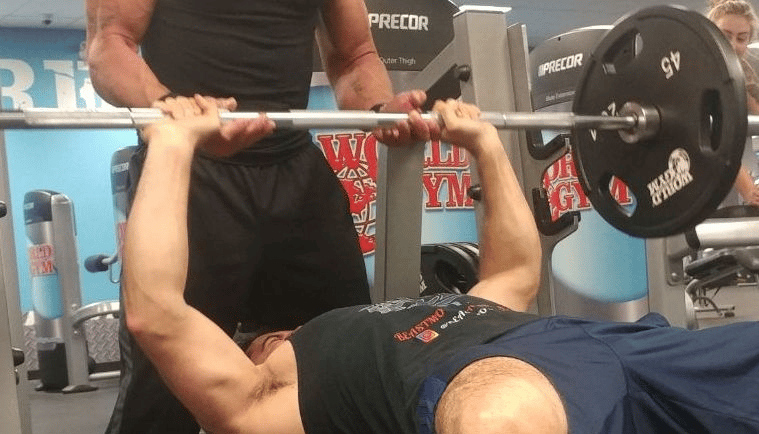
Muscle gain, or hypertrophy training, focuses on increasing muscle size and strength. This training path typically emphasizes resistance exercises using free weights, machines, and bodyweight movements. The fundamental principle is to engage in progressive overload—gradually increasing the weight or resistance used in workouts over time.
Training routines for muscle gain often involve variations of exercises that isolate major muscle groups, ensuring comprehensive development. A common recommendation is to use a combination of compound lifts, such as squats and deadlifts, along with accessory exercises to optimize muscle engagement. Furthermore, an appropriate dietary plan rich in protein is crucial to facilitate recovery and support muscle synthesis.
Path 2: Athletic Performance
For those who aspire to compete or enhance physical prowess in sports, focusing on athletic performance is the ideal path. This training emphasizes functional strength, agility, speed, and endurance, integrating sport-specific skills into the routine. Athletes often engage in high-intensity interval training (HIIT) and plyometrics to enhance both anaerobic and aerobic capabilities.
A well-rounded athletic training program incorporates not just strength and cardio, but also flexibility and mobility exercises to reduce the risk of injury. Additionally, nutrition plays an integral role, ensuring that athletes consume balanced macronutrients to fuel intense training sessions while aiding recovery.
Path 3: Fat Loss
Fat loss training focuses on creating a caloric deficit to reduce body fat percentage while maintaining lean muscle mass. This path combines cardiovascular activities and strength training, aiming to burn calories efficiently while stimulating metabolic processes. Effective fat loss programs often incorporate both steady-state cardio and interval training, enabling individuals to achieve their desired results.
A successful fat loss regimen also emphasizes healthy eating habits. Consuming whole foods, like fruits, vegetables, lean proteins, and whole grains, alongside portion control is crucial. Individuals should aim for a balanced intake while being mindful of overall caloric consumption.
Conclusion
In summary, understanding these three proven training paths—muscle gain, athletic performance, and fat loss—can significantly impact fitness outcomes. Committing to a specific path allows individuals to tailor their workouts, nutrition, and lifestyle accordingly. By integrating the right elements into their training regimens, individuals can effectively achieve their fitness goals and support their overall well-being.